

Your website might be among the 96% of pages getting zero traffic from Google—but it doesn’t have to stay that way.
If you’re a business owner or content creator watching your visitor count flatline at zero, you’re dealing with one of the most common yet fixable problems in digital marketing. Most websites fail to attract organic traffic because they make critical mistakes that Google’s algorithm simply can’t ignore.
This guide reveals the three hidden reasons why most websites get zero traffic and shows you exactly how to fix them. You’ll discover why your content strategy might be working against you, which technical issues are secretly sabotaging your rankings, and the performance problems that keep visitors from finding your site in the first place.
Whether your site is brand new or has been struggling for months, these insights will help you understand what’s really blocking your path to sustainable website traffic growth.
Why 96% of Web Pages Get Zero Traffic From Google
The shocking statistics from Ahrefs study on 14 billion pages
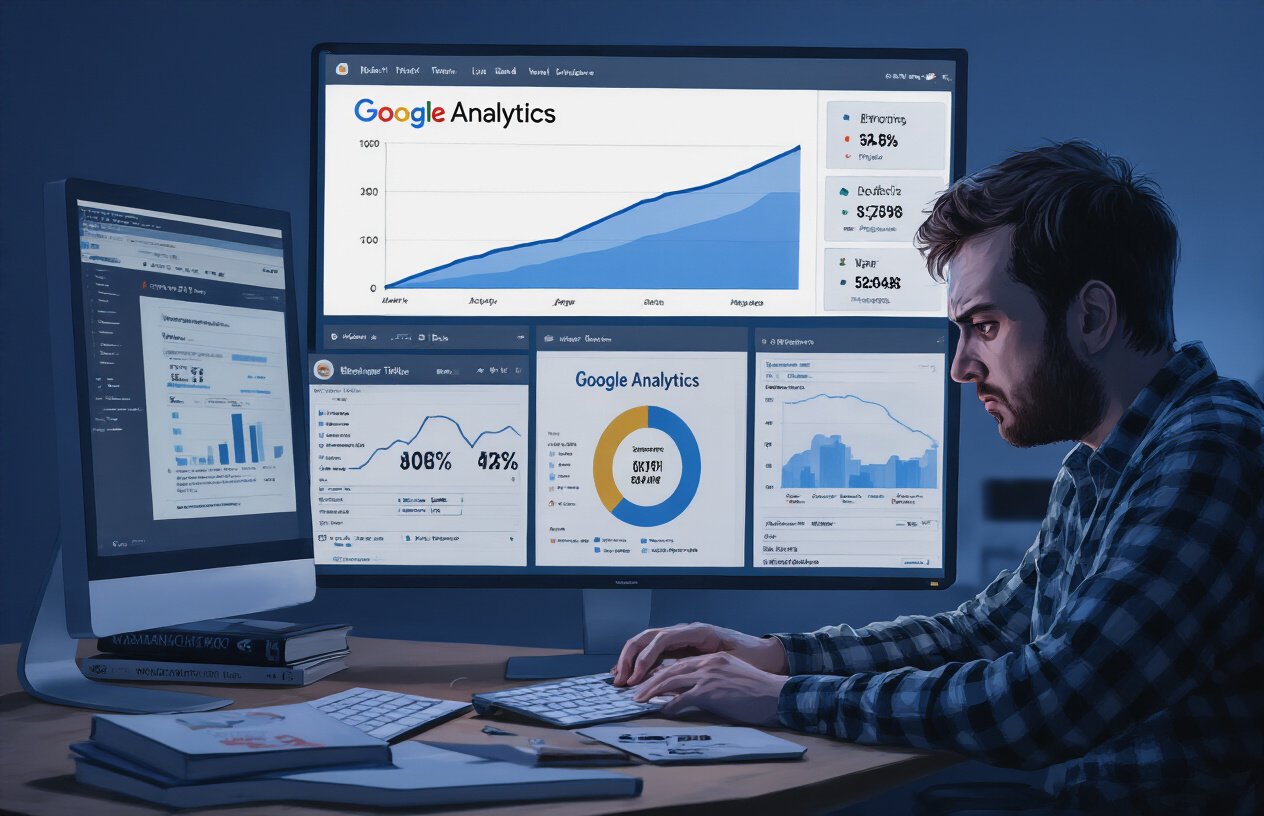
Ahrefs conducted a comprehensive study analyzing 14 billion web pages, revealing a staggering reality: 96.55% of them receive zero traffic from Google. This means that nearly 97 out of every 100 pages published online remain completely invisible to searchers, highlighting the intense competition for website traffic and the critical importance of understanding why websites fail to rank in search results.
Google processes 8.5 billion searches daily yet most pages remain invisible
With Google processing an enormous 8.5 billion searches per day, there’s clearly massive search demand and opportunity for website traffic growth. However, this creates a paradox where billions of daily searches occur while the vast majority of web pages get no traffic from Google. This overwhelming concentration of traffic among a small percentage of pages demonstrates the winner-takes-all nature of search engine rankings.
SEO is not dead despite overwhelming traffic concentration
Despite these sobering statistics showing extreme traffic concentration, SEO is definitely not dead. The fact that billions of searches happen daily means there are still tremendous opportunities to drive traffic to website through proper optimization. The key is understanding that while most websites get no traffic due to common ranking issues, those that implement effective SEO strategies can capture significant search traffic and increase website visitors substantially.
The Five Critical Reasons Your Website Gets No Visitors
Missing keyword strategy leaves you invisible to searchers
Content created without researching what audiences actually search for makes it nearly impossible to drive traffic to website. This fundamental oversight leaves websites invisible in search results, as they target irrelevant terms that generate zero traffic from Google, preventing any meaningful SEO traffic growth.
Poor website structure kills your search rankings
Confusing navigation, lack of internal linking, and slow-loading pages destroy both user experience and search rankings. These website ranking issues create technical barriers that prevent search engines from properly crawling and indexing content, directly contributing to why websites fail to rank and get no traffic.
Content lacks search optimization and quality standards
Many businesses either don’t blog consistently or produce content that fails to serve search intent. Google prioritizes websites that provide value through high-quality, optimized content, making this a critical factor for sustainable website traffic and increasing website visitors organically.
Mobile optimization failures drive away 60% of potential visitors
Since Google primarily indexes mobile websites and over 60% of searches occur on mobile devices, mobile optimization failures represent massive lost opportunities. Websites with unreadable text, unclickable buttons, or improperly sized images lose significant traffic, as mobile-unfriendly sites fail to rank and retain visitors.
No Google Search Console presence means you don’t exist online
Websites not submitted to Google Search Console remain essentially invisible online. Without proper indexing through Search Console, Google doesn’t know these sites exist, making any technical SEO fixes or content strategy for traffic ineffective until this fundamental step is addressed.
Quick Technical Fixes That Drive Immediate Traffic Growth

Set up Google Search Console for proper indexing
This free tool helps monitor indexing status and allows manual requests for indexing and sitemap submissions, which can boost impressions and clicks. Setting up Google Search Console provides immediate visibility into how Google views your website and enables you to actively request indexing for new pages.
Optimize your homepage SEO title and meta description
Poor or missing metadata drastically reduces visibility and search engine rankings. Your homepage title and meta description serve as the first impression in search results, directly impacting click-through rates and your ability to drive traffic to website.
Create FAQ-style content using Google’s “People Also Ask” questions
This hack helps rank for specific searches and long-tail keywords by directly answering popular questions. By analyzing Google’s “People Also Ask” section, you can identify high-value questions your target audience searches for and create content that addresses these queries.
Secure high-quality backlinks to build domain authority
Google views backlinks as referrals, which helps build your domain authority on relevant topics. Quality backlinks from reputable sources signal to search engines that your content is trustworthy and valuable, leading to improved rankings and increased website visitors.
Content Strategy Secrets for Sustainable Traffic Growth

Research what your audience actually searches for before creating content
Creating content without keyword research makes it difficult to attract traffic and plan effectively. Before writing any blog post, invest time in understanding what your target audience is actually searching for online. This research-driven approach ensures your content strategy for traffic aligns with real user demand, dramatically improving your chances of ranking and driving website traffic growth.
Write consistently to show Google your site stays relevant
Regularly updating your website with high-quality blogs demonstrates effort and value to Google, improving relevance. Consistent publishing signals to search engines that your site stays active and provides fresh information to users. This consistency is crucial for long-term SEO traffic growth and helps establish your website as a reliable source in your niche.
Structure internal linking to guide visitors through your content
Providing clear internal links makes the user experience easy and encourages further engagement with your site’s content. Strategic internal linking helps distribute page authority throughout your website while keeping visitors engaged longer. This technical approach to content organization significantly impacts how search engines understand and rank your pages.
Focus on search intent rather than random blog topics
Ensure content serves a specific search intent to attract relevant organic traffic. Rather than creating random blog posts, analyze what users are trying to accomplish when they search for specific keywords. This intent-focused approach helps increase website visitors by providing exactly what searchers need, leading to better rankings and sustainable traffic growth.
Technical Performance Issues That Sabotage Your Rankings
Slow loading pages destroy user experience and rankings
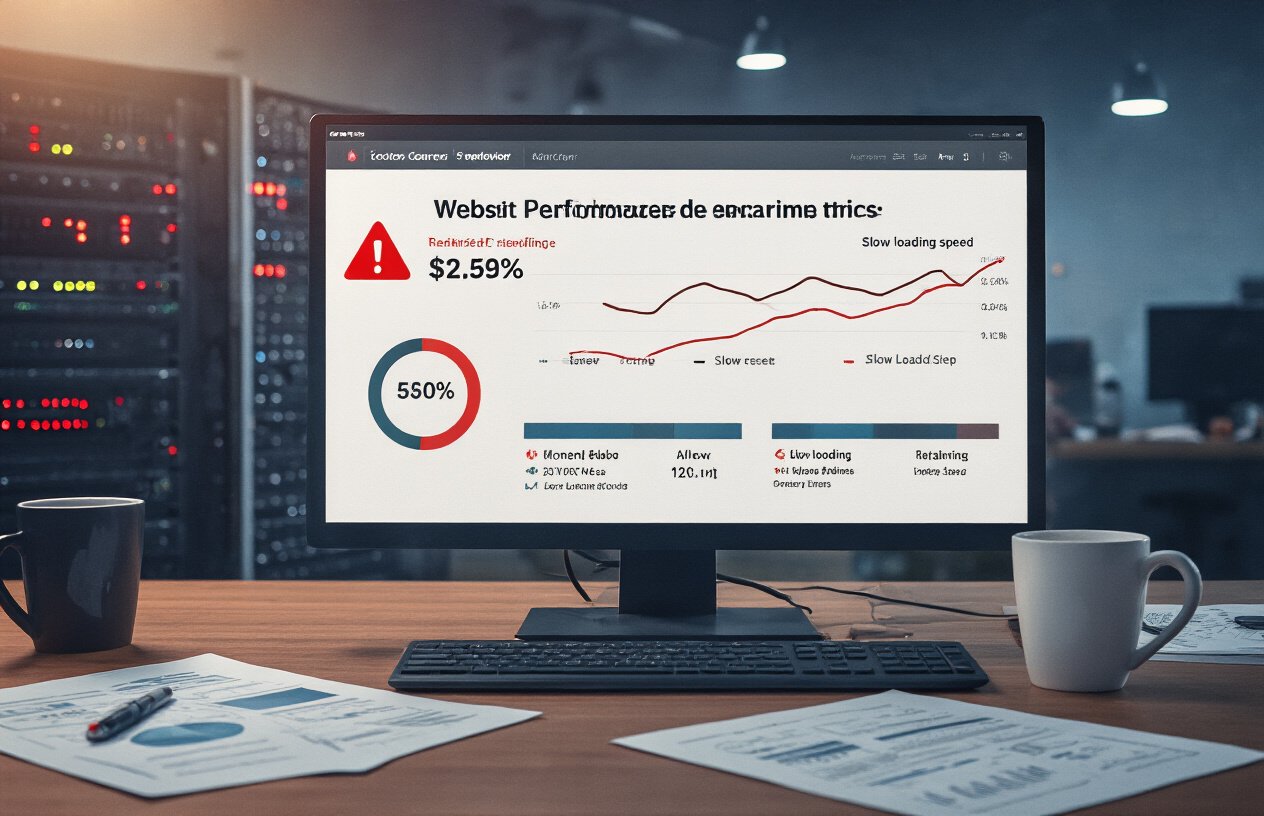
Pages that load slowly significantly detract from user experience and negatively impact your website’s search rankings. When visitors encounter sluggish loading times, they quickly abandon your site, sending negative signals to search engines about your content quality and relevance.
Confusing navigation prevents visitors from engaging
A poorly optimized website structure with confusing navigation creates major barriers for visitors trying to find and engage with your content. When users can’t easily locate what they’re searching for, they leave immediately, reducing your site’s overall engagement metrics and harming your SEO traffic growth.
Mobile-unfriendly design loses over half your potential traffic
Websites not optimized for mobile devices lose more than 60% of potential visitors, making this a critical website ranking issue. Since Google primarily indexes mobile versions of websites and most searches now occur on mobile devices, failing to prioritize mobile optimization directly impacts your ability to drive traffic to website.
Missing or poor metadata drastically reduces visibility
The absence or poor quality of SEO titles and meta descriptions significantly lowers your website’s chances of being discovered in search results. Without compelling, optimized metadata, even high-quality content struggles to attract clicks and increase website visitors from organic search results.

The harsh reality is that 96% of websites get zero traffic from Google, but this doesn’t mean your site has to be part of that statistic. By implementing the strategies we’ve covered—developing a solid keyword strategy, optimizing your website structure, creating quality search-optimized content, ensuring mobile optimization, and establishing your Google presence—you can significantly improve your chances of breaking through the noise and attracting visitors to your site.
Remember, getting traffic isn’t just about luck or hoping Google will magically discover your content. It requires deliberate action and consistent effort. Start with the quick fixes we’ve outlined: sign up for Google Search Console, optimize your homepage SEO title and meta description, write FAQ-style content, and work on earning quality backlinks. These foundational steps can make an immediate difference in your website’s visibility and help you join the small percentage of sites that actually get found online.